Ornamental trees add color, texture, shade, and curb appeal to New Hampshire landscapes, but they also tend to show stress quickly when pests or environmental conditions become a problem. In many cases, homeowners notice something looks “off” long before they know what’s causing it.
Thinning leaves, browning needles, sticky residue, dead branch tips, and unusual spotting can all point to insect activity or declining tree health. Some issues are minor and temporary, while others may spread or worsen over time if left untreated.
Pest damage in ornamental trees often appears as thinning foliage, browning, leaf spotting, sticky residue, or branch dieback. While insect activity is sometimes the cause, environmental stress and site conditions can create similar symptoms. Identifying the underlying issue early can help prevent more extensive damage and protect valuable landscape trees.
Why Ornamental Trees Often Show Signs of Stress First
Many ornamental tree problems become most noticeable in late spring and summer, when healthy surrounding growth makes thinning, discoloration, or branch dieback easier to spot. Because ornamental trees are often selected for their appearance, even minor changes can stand out quickly in the landscape.
In New Hampshire landscapes, common ornamental trees include crabapples, Japanese maples, flowering cherries, dogwoods, ornamental pears, and dwarf evergreen varieties. While each species has its own challenges, many pest and stress-related symptoms appear in similar ways.
Unlike trees growing naturally in wooded areas, ornamental trees are often planted in more controlled landscape environments where soil conditions, drainage, heat exposure, and root space can vary significantly.
Many ornamental species are selected for appearance rather than durability. That makes them especially vulnerable to:
- drought stress
- compacted soil
- winter injury
- insect pressure
- fungal disease
- overwatering or poor drainage
Trees already weakened by environmental stress are often more susceptible to pest activity as well.
Thinning Leaves and Sparse Canopies
One of the earliest signs of stress in ornamental trees is thinning foliage.
Homeowners may notice:
- sections of the canopy looking sparse
- reduced leaf size
- bare branch tips
- uneven growth patterns
In some cases, insects feeding on leaves or sap can gradually weaken the tree over time. Aphids, mites, scale insects, and borers may all contribute to canopy thinning depending on the species involved.
Drought stress and root problems can produce similar symptoms, which is why proper diagnosis is important before treatment decisions are made.
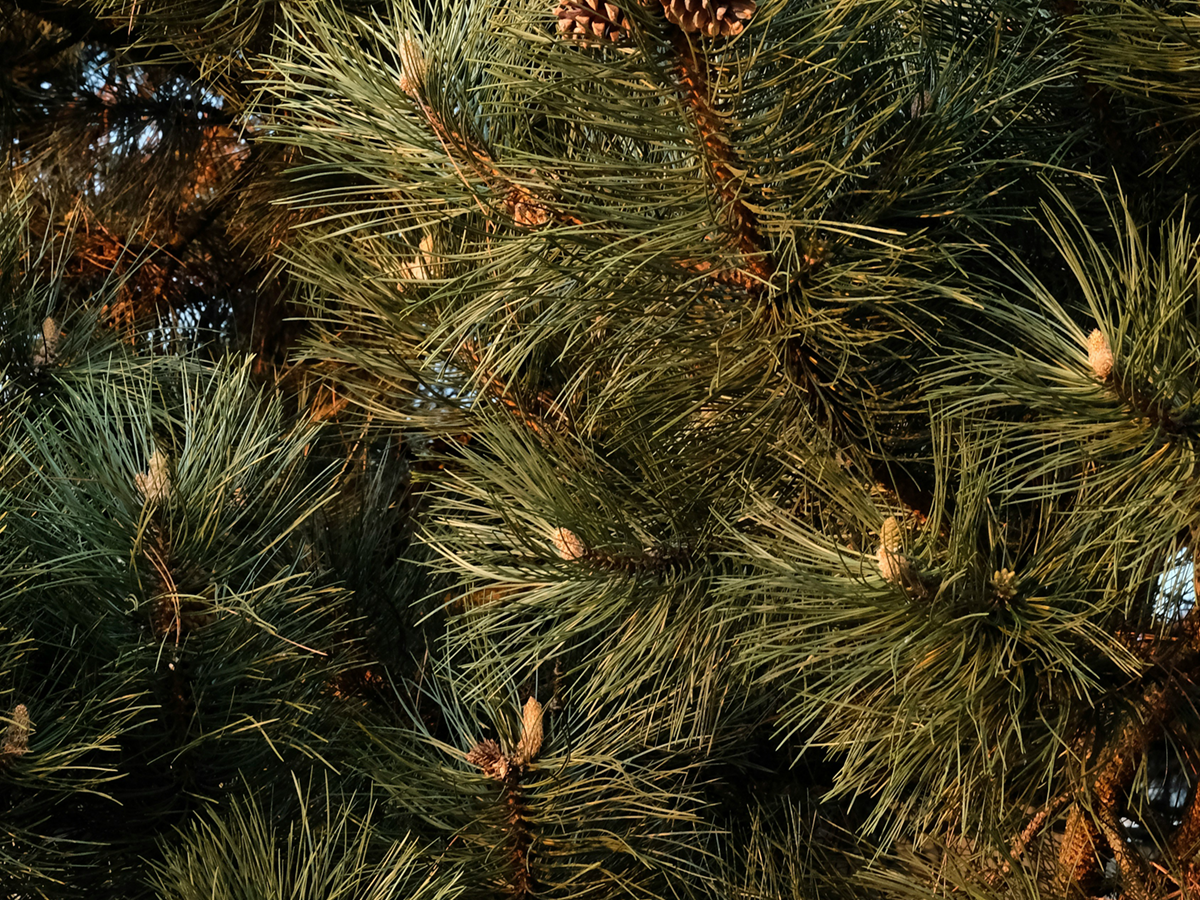
Browning Needles on Evergreen Ornamentals
Browning is especially common on ornamental evergreens throughout New Hampshire, particularly after winter.
Trees such as arborvitae, spruce, and dwarf conifers may develop:
- bronzing
- dead tips
- interior needle drop
- patchy discoloration
Winter burn, drought stress, mites, and root damage can all contribute to browning foliage.
Spider mites are especially common during hot, dry weather and are often overlooked because they are difficult to see without close inspection.
In many cases, homeowners assume an evergreen is dying when the issue may still be manageable if caught early enough.
Sticky Residue, Sooty Mold, and Insect Activity
A sticky coating on leaves, branches, patios, or vehicles parked beneath trees often points to sap-feeding insects such as aphids or scale.
These insects produce a sugary substance known as honeydew, which can lead to black sooty mold developing on leaves and branches over time.
Common signs include:
- shiny or sticky leaves
- black discoloration
- increased ant activity
- weakened foliage
While the mold itself is often cosmetic, the insect activity behind it can create ongoing stress for ornamental trees and shrubs.
Leaf Spotting, Curling, and Early Leaf Drop
Many ornamental trees show stress through changes in leaf appearance.
Homeowners may notice:
- curling leaves
- yellowing
- dark spotting
- holes in foliage
- premature leaf drop
These symptoms may be caused by insects, fungal pathogens, environmental stress, or a combination of factors.
Flowering ornamentals and decorative maples are especially prone to visible leaf damage during humid New Hampshire summers.
Bark Damage and Branch Dieback
Damage to bark or branch structure can sometimes indicate more advanced decline.
Borers and other wood-boring insects may target trees that are already weakened by drought, root injury, or disease. Over time, branches may begin dying back, particularly in the upper canopy.
Homeowners may notice:
- splitting bark
- peeling sections
- sawdust-like material near the trunk
- dead branch tips
- increased woodpecker activity
Because these symptoms often appear later in the decline process, early intervention is important whenever changes in canopy health become noticeable.
Are Pest Problems or Environmental Stress to Blame?
Not every ornamental tree problem starts with insects.
Many of the symptoms homeowners associate with pest damage can also be caused by environmental stress. Drought, winter injury, compacted soil, poor drainage, and root damage can all weaken trees and create symptoms that closely resemble insect activity.
In some cases, environmental stress may be the primary issue, while pests take advantage of a tree that is already struggling. This is one reason why ornamental tree problems can be difficult to diagnose based on appearance alone.
Identifying the underlying cause is often the first step toward protecting long-term tree health.
Environmental Stress Often Plays a Major Role
New Hampshire landscapes expose ornamental trees to a wide range of stressors throughout the year, including:
- freeze/thaw cycles
- road salt exposure
- drought conditions
- heavy snow load
- compacted soil
- fluctuating spring temperatures
Trees under stress are more likely to experience secondary pest and disease issues over time.
Proper watering, mulching, pruning, and spacing can help improve long-term tree health and reduce vulnerability.
When to Have Ornamental Trees Evaluated
Many ornamental tree issues look similar at first, even when the underlying causes are completely different.
A certified arborist can help determine whether symptoms are related to:
insect activity
- fungal disease
- winter injury
- root stress
- drainage problems
- structural decline
Early evaluation often makes treatment more effective and may help preserve mature landscape trees before damage becomes irreversible.
At Collins Tree Service, we help New Hampshire homeowners assess ornamental tree health and identify practical solutions based on site conditions, species, and long-term landscape goals. Want to know how you can fend off ornamental tree pests? Email bill@collinstree.com, call 603-485-4761, or contact us here.
Frequently Asked Questions About Ornamental Tree Pests
What are the most common tree pests in New Hampshire?
Spider mites, aphids, scale insects, borers, and adelgids are all commonly found on ornamental trees and shrubs throughout New Hampshire landscapes.
How do I know if my tree has insects?
Signs of insect activity may include sticky residue, webbing, leaf damage, thinning foliage, unusual spotting, or branch dieback. Because environmental stress can create similar symptoms, a professional evaluation is often the best way to identify the cause.
Why are my tree leaves curling or dropping early?
Leaf curling and premature leaf drop may be caused by drought stress, insect feeding, fungal issues, or environmental stress related to heat and moisture conditions.
What does sticky residue on tree leaves mean?
Sticky residue is often caused by sap-feeding insects such as aphids or scale. These insects produce honeydew, which can attract ants and lead to black sooty mold growth.
When should I call for help with tree problems?
If you notice widespread browning, thinning canopies, dead branches, repeated leaf loss, or rapid changes in tree appearance, it is a good idea to have the tree evaluated before decline worsens.
Sources
This article incorporates information adapted from educational resources published by UNH Extension’s Shade and Ornamental Pest Control Program:
https://extension.unh.edu/resource/g1-shade-and-ornamental-pest-control-study-materials-commercial
Content has been adapted for New Hampshire homeowners and landscape conditions by Collins Tree Service.